THE CLEARED ECOSYSTEM, FINALLY CONNECTED.
Defense Nexus is the trusted, AI-powered network for the cleared national security community — connecting vetted talent, contractors, founders, and mission-support organizations on infrastructure built for how this community actually works.
THE CLEARED ECOSYSTEM RUNS ON PHONE CALLS AND PDFs.
Whatever your place in this community, you already know the friction — because you pay for it in time, money, and missed opportunity.
If you're transitioning out of the military, you're trying to translate a career that doesn't fit neatly on a résumé into a next mission — and hoping the right people happen to see it.
If you're a cleared professional, the work you want is out there, but it moves through networks you may not be in.
If you run a contracting business, you're finding opportunities too late, sourcing cleared talent by word of mouth, and hunting for teaming partners with the right past performance against a deadline that won't move.
If you're building a defense-tech venture, you're spending months looking for the capital, the customers, and the cleared people to build it with.
And if your role is to support this community — as an investor, a mission-support organization, or an institution — you're trying to find the ventures and the people worth backing, without a trusted place to look.
None of these are abstract market problems. They're the concrete, expensive things this community works around every day, because the connective infrastructure to solve them was never built for it. That is exactly what Defense Nexus is.
THREE ENGINES. ONE CLEARED ECOSYSTEM.
Defense Nexus runs on three core engines, and they're built to work as one interconnected system — each one makes the next two sharper. A verified profile is what makes a match meaningful; a meaningful match is what makes an opportunity relevant. This section isn't a feature list. It explains what each engine does, why it matters, and why it's built the way it is.
Why it matters: It's the foundation the other two stand on — and the reason you can trust who's on the other side of every connection.
What it does: Every member is vetted before they ever reach the platform — individuals through trusted third-party verification apps like ID.me, organizations through the checks appropriate to an entity — so you're connecting with real, verified U.S. persons and organizations, not anonymous profiles anyone can spin up. And it's built with AI, so you don't spend hours filling in fields: the platform does the work of building your profile with you.
Why it's unique: Front-end verification and an AI-built profile, delivered on two distinct paths — one designed for individuals, one for organizations — so a transitioning operator and a defense-tech firm each get a profile that fits how they actually work.
Why it matters: A network is only useful if the right connections actually happen — and only safe if they happen on your terms.
What it does: It's designed to connect people and organizations across the ecosystem on skills, clearances, strategic fit, and real-time need — rather than on who you already happen to know — and to do it while protecting privacy, so a connection forms only when both sides choose it.
Why it's unique: Matchmaking that's privacy-preserving by design and built to augment the judgment of the people on the network, never to replace it.
Why it matters: Connection is the means; outcomes are the point — the next mission, the won contract, the capital raised, the teaming partner found.
What it does: It's built to surface the right work — contracts, roles, partnerships, and capital — organized around clearance-aware workflows and drawn from opportunity data across the ecosystem. Teaming lives here: it's designed to surface not just the opportunity, but the partners who can help you win it.
Why it's unique: Because it's fed by your verified profile and your matches, what surfaces is relevant to you specifically — signal, not a firehose.
Three engines, one system — verified identity feeds better matches, and better matches feed relevant opportunities. That loop is the platform.
YOUR INFORMATION MOVES ON YOUR TERMS — NOT OURS.
Most networks ask you to expose yourself to be useful on them. This one is built the other way around. Privacy isn't a setting on Defense Nexus — it's the architecture.
Your full profile is never on display by default. You decide what any party sees, and details reveal only as trust is established between two sides. Nobody browses the cleared community like a directory.
There is no cold exposure and no back-channel. A connection happens only when both parties choose it — the network introduces, it never hands your information to anyone you haven't agreed to meet.
U.S. persons only. Zero-trust architecture. Members vetted up front through trusted third-party verification apps like ID.me. And a standing commitment we don't hedge on: your data is never sold or shared. The platform is built with a CMMC / FAR / DFARS compliance mindset from day one.
We don't adjudicate clearances. Our workflows are clearance-aware — they respect the realities of cleared work without ever making a determination that isn't ours to make.
PURPOSE-BUILT. NEUTRAL. FREE FOR THE PEOPLE WHO NEED IT MOST.
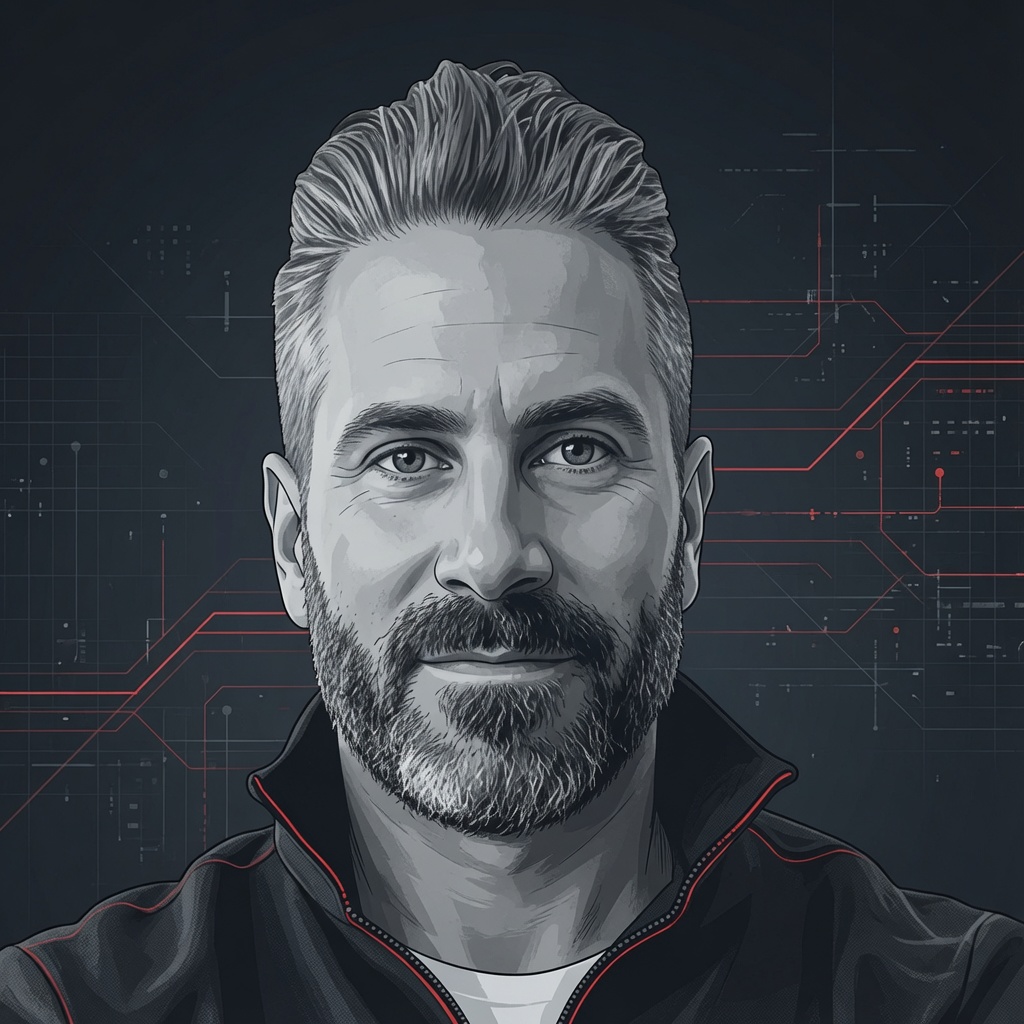
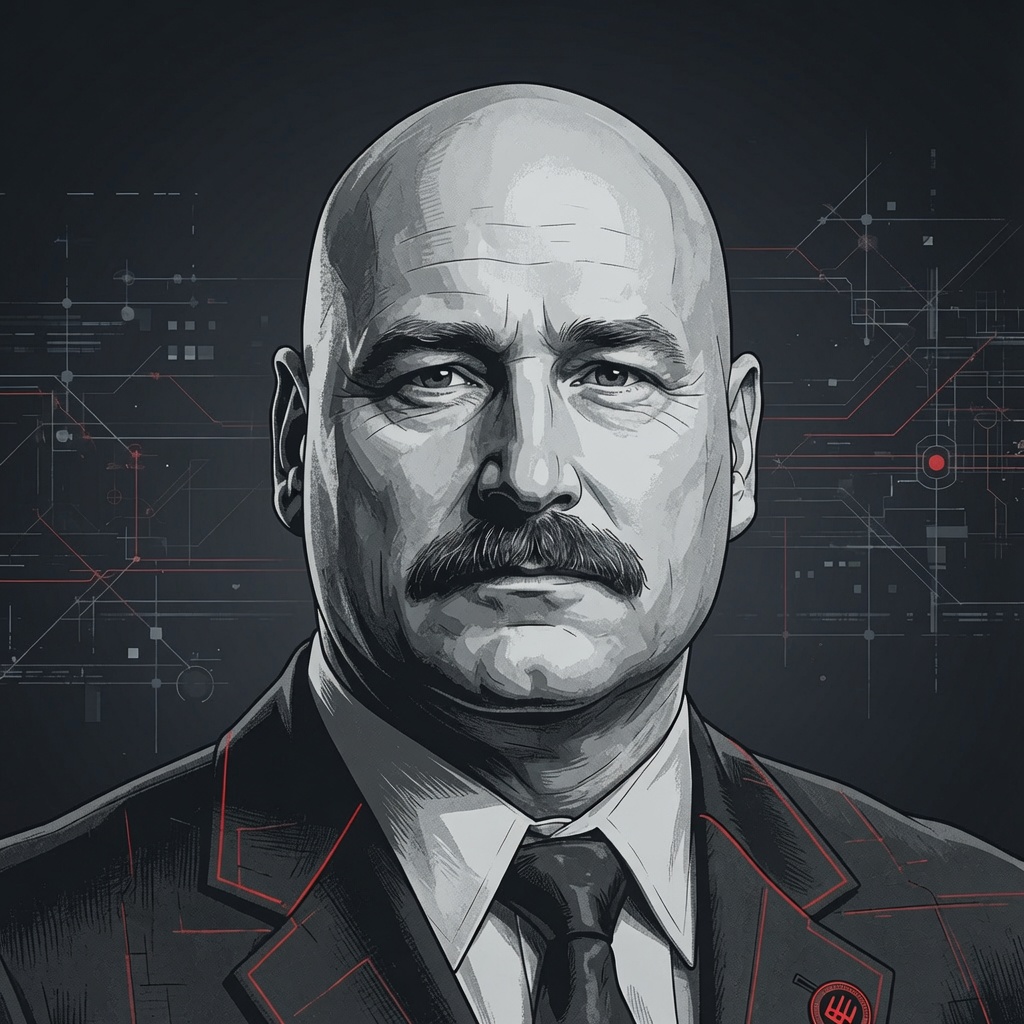
Purpose-built. Defense Nexus is not a job board, not a staffing firm, and not a prime. It was built by two retired U.S. Navy SEAL Master Chiefs who lived these problems firsthand and know the pain — so they're building the system they wish they'd had. Security-first by design, not retrofit.
Neutral. We don't compete with the people on the network. We're not a prime chasing the same contracts, and we're not a staffing firm marking up talent. Neutrality is a feature: we serve the whole ecosystem, not any single stakeholder in it.
Free for those who need it most. For individuals — the transitioning veteran, the cleared professional finding their next mission — the network is free, and it stays free. The connective infrastructure this community has been missing shouldn't sit behind a paywall for the people who need it most. From there the tiers are simple: Pro is the premium tier for individuals who want more, and Business is the entry tier for organizations. The free individual network is the foundation — not a trial, not a teaser.
FROM REQUEST TO FIRST MATCH, IN FIVE STEPS.
THE DOOR'S OPEN.
Defense Nexus is live as a proof of concept, and the closed beta is forming now. If you're part of the U.S. cleared national security community — or you support it — this is the moment to get in early. Every request is reviewed by the founders.